



Organisational Resilience
Protect critical services. Respond with confidence.
Toro helps organisations identify critical services, understand key dependencies and ensure they can continue operating when disruption occurs.
We strengthen resilience through practical planning, governance and assurance, giving leadership confidence that critical services can withstand a wide range of operational disruptions.
Free consultation

Protect your business. Build trust. Unlock growth.
How Toro helps
Understand what is critical
Toro helps organisations identify what must continue during disruption.
Effective resilience starts with understanding critical services, the dependencies that support them and the potential consequences of failure.
Toro works with business and technology stakeholders to identify critical services, map dependencies and provide leadership with a clear picture of where disruption would have the greatest impact.
We help organisations:
- Identify critical services
- Conduct business impact assessments
- Map technology, supplier and operational dependencies
- Assess resilience vulnerabilities
- Identify resilience gaps
- Prioritise improvement initiatives
The result is greater confidence that resilience efforts are focused on the services that matter most.
Strengthen response and recovery
Disruption rarely unfolds as expected. Information is incomplete, priorities change quickly and decisions often need to be made under pressure. Resilience depends as much on people and decision-making as it does on plans and procedures.
Toro helps organisations develop the structures and capabilities needed to manage disruption in a coordinated and controlled way.
We help organisations with:
- Business continuity planning and reviews
- Crisis management frameworks and playbooks
- Incident and escalation procedures
- Executive and crisis management training
- Crisis leadership coaching
- Recovery planning and validation
The result is that the organisation can continue delivering critical services and recover effectively when disruption occurs.


Test and improve
Most organisations only discover weaknesses in their resilience arrangements during a real incident.
Testing provides an opportunity to challenge assumptions, validate plans and understand how the organisation behaves when decisions need to be made quickly.
We help organisations with:
- Tabletop exercises
- Crisis simulations
- Business continuity testing
- Recovery testing
- Multi-team exercises
- Post-exercise reviews
- Lessons learned and improvement planning
- Resilience maturity assessments
The result is greater confidence that people, processes and capabilities will perform effectively when they are needed most.
Managed Security & Consultancy
People focussed
At Toro, people are at the core of everything we do – our team, our clients, and the partners we collaborate with.
We prioritise building trusted relationships, delivering consistently high standards, and providing tailored support that reflects the unique needs of every client.
Free consultation

A continuous approach to resilience
Organisational resilience is not a one-off exercise or a collection of standalone plans.
Critical services, dependencies and risks change over time. New technologies are introduced; supplier relationships evolve and organisational priorities shift. Resilience arrangements need to evolve alongside them.
By understanding what matters most, strengthening response and recovery capabilities and continually testing arrangements in practice, organisations improve their ability to anticipate, withstand and adapt to disruption.
What this delivers
Better protected critical services
The organisation gains a clearer understanding of what must continue, what supports it and where dependencies and points of failure exist.
Stronger decision making under pressure
Leaders have clearer priorities, stronger escalation paths and greater conviction in the decisions they need to make during disruption.
Reduced operational and financial impact
Better planning and earlier understanding of dependencies help reduce downtime, minimise disruption and avoid unnecessary recovery costs.
More coordinated response
Teams work from a shared understanding of priorities rather than reacting independently, improving control when it matters most.
Stronger assurance with regulators and stakeholders
The organisation can demonstrate that resilience is understood, tested and embedded rather than simply documented.
Improved organisational adaptability
Resilience becomes part of how the organisation plans, operates and adapts, rather than an activity revisited only after audits or incidents.
Why Toro
Organisations engage Toro when they need assurance that critical services can continue during disruption and that their resilience arrangements will perform when they are needed most.

Practitioner-led expertise
We bring experience from complex operating environments where resilience depends on practical decisions rather than theoretical models.

A connected approach
We bring together continuity, recovery, crisis management and testing so resilience is understood across the organisation rather than within individual teams.

Independent perspective
An objective view helps challenge assumptions, test confidence and provide leadership with a clearer understanding of organisational resilience.

Practical and sustainable
Whether we're helping build resilience frameworks, reviewing continuity arrangements or training leadership teams, our focus is on approaches that work in practice and can be maintained over time.
A broader view of disruption
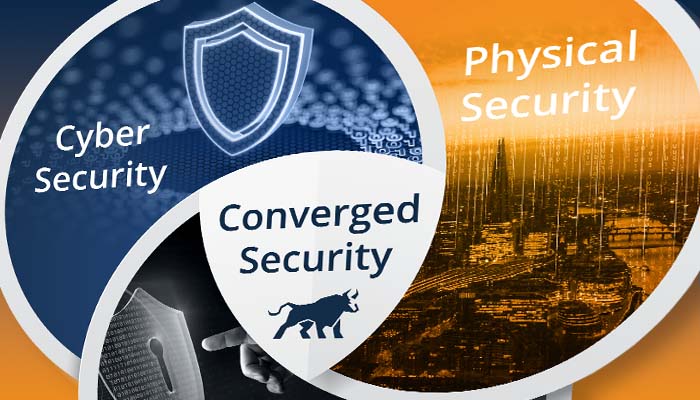
We consider cyber, physical, people, supplier and operational risks together because disruption rarely sits neatly within one domain.

Built for the long term
Our aim is not simply to prepare organisations for the next exercise or audit, but to help build resilience that evolves as the organisation changes.

Organisations typically engage Toro when:
- They are unsure which services are truly critical.
- Existing continuity plans have not been tested.
- Regulatory expectations around resilience are increasing.
- Leadership lacks confidence in crisis response arrangements.
- Dependencies across technology, suppliers and operations are not well understood.
- They want assurance that critical services can withstand disruption.
Organisational Resilience FAQs
Business continuity is an important part of resilience, but it is only one element. Organisational resilience looks more broadly at how the organisation prepares for, responds to and adapts to disruption across people, processes, technology, facilities and suppliers.
It is particularly relevant in regulated environments, but the need is much wider. Any organisation that depends on critical services, complex supply chains or interconnected operations benefits from a stronger organisational resilience capability.
Yes. Testing is a core part of the solution. We design and facilitate exercises, simulations and executive training that help validate whether plans and structures are workable in practice.
Not necessarily. In many cases, the right approach is to strengthen and connect what already exists rather than replace it.
Organisations should prepare for a range of scenarios, including cyber incidents, technology failures, supplier disruptions, physical events, people issues and wider operational disruptions.
Testing should be proportionate to the organisation's risk profile and should evolve alongside changes in critical services, technology and supplier dependencies.
Yes. We regularly work with executive teams to strengthen decision-making, escalation and crisis leadership capabilities through workshops, simulations and exercising.
By helping organisations understand critical services, dependencies and vulnerabilities, resilience becomes an ongoing capability that evolves with the organisation rather than a periodic exercise.
Organisational Resilience
Start the conversation
Disruption is inevitable. The impact it has on your organisation is not.
Whether you’re developing your resilience capability, reviewing critical services or preparing for regulatory scrutiny, we’ll help you build the understanding, plans and confidence needed to respond effectively when disruption occurs.
What our clients say


Security insights
Expert Insights on Security, Risk and Resilience

That “recruiter” probably isn’t a recruiter
Most people accept LinkedIn requests without a second thought, but attackers use the platform to gather intelligence and build trust. Learn how fake recruiter profiles and oversharing can expose your organisation to social engineering and phishing risks.

Most security incidents start long before they happen
Most security incidents don’t happen without warning. Discover how behavioural detection and early intervention help security teams identify risks, prevent incidents and create safer environments.

The biggest security risks facing financial institutions in 2026
Discover the biggest security risks facing financial institutions in 2026, including AI threats, insider risk, supply chain vulnerabilities and resilience challenges.
Our Partners
Brands & companies we work with


Managed Security & Consultancy
People focussed
At Toro, people are at the core of everything we do – our team, our clients, and the partners we collaborate with.
We prioritise building trusted relationships, delivering consistently high standards, and providing tailored support that reflects the unique needs of every client.